Gopuff Scratchcard Delivery: Does It Raise Gambling Risk?
Gig economy couriers are now delivering National Lottery scratchcards to UK doorsteps in minutes, and the shift away from trained retail staff is raising new safeguarding questions.
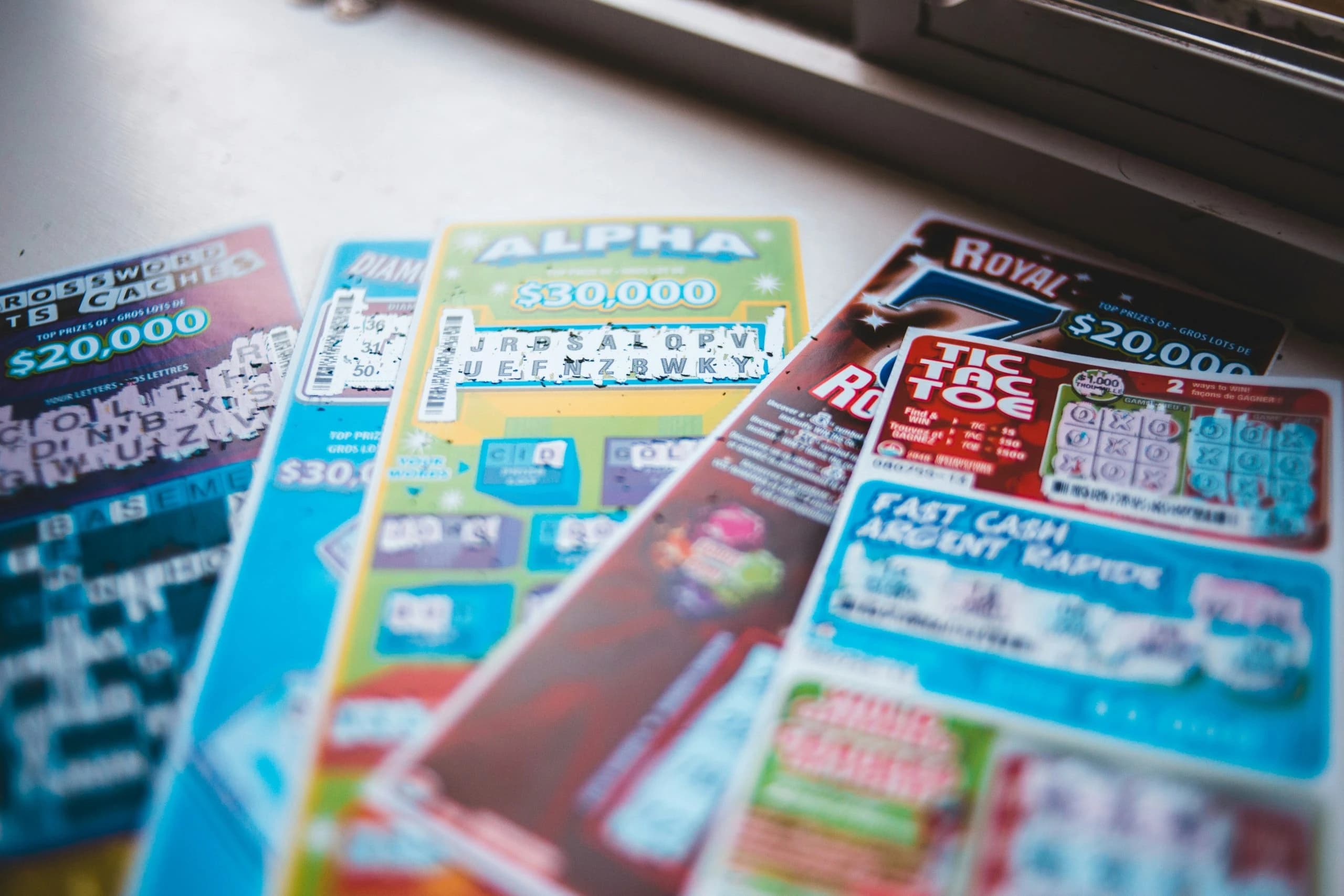
Gig economy delivery apps such as Gopuff are now bringing National Lottery scratchcards to doorsteps in the UK in as little as 15 minutes, and the expansion is reopening a safeguarding question the retail lottery trade has not fully answered. Direct to consumer scratchcard sales still make up a small slice of the market, but the shift from trained retail staff to third party gig drivers changes who is actually watching for signs of harm at the point of sale.
What is happening with scratchcard delivery right now
Allwyn, operator of the UK National Lottery, has spent the past two years building out on demand delivery for scratchcards through two different models. The first runs through participating retailers using their own staff, largely via a partnership with grocery delivery platform Snappy Shopper. The second, newer model runs through Gopuff, an instant commerce firm that fulfills orders using its own gig economy courier network rather than a retailer's own employees. Both let a customer order scratchcards from a phone and have them delivered to the door alongside everyday shopping, a distribution channel that did not meaningfully exist for lottery products a few years ago.
How big is the direct to consumer scratchcard market today
Direct to consumer sales, covering both retailer delivered and gig delivered scratchcards, currently account for roughly 0.5% of total UK scratchcard sales, according to iGaming Business's reporting on the sector. That is a small base, but it is growing quickly from a standing start, and Allwyn's own retail partnerships data shows the trajectory. Through the Snappy Shopper scheme alone, more than 172 independent retailers had signed up to sell scratchcards online as of April 2025, generating over £150,000 in incremental sales for those stores, according to Lottery Daily's reporting on the partnership.
Which companies actually deliver the scratchcards
Two distinct delivery models are now live in the UK, and they carry different safeguarding profiles because of who shows up at the door.
| Delivery model | Who delivers | Coverage | Key safeguard |
|---|---|---|---|
| Allwyn and Snappy Shopper | The retailer's own trained staff | 172 plus independent stores | Staff complete National Lottery Retail Training Centre safeguarding modules |
| Allwyn and Gopuff | Third party gig economy couriers | 16 cities across England and Wales | ID verification at the door, 10 scratchcard transaction limit |
Why does it matter that a gig courier delivers the scratchcards instead of retail staff
It matters because a shop's own staff can recognize a returning customer and a gig courier usually cannot. An Allwyn spokesperson told iGaming Business that third party drivers are "significantly less likely to make repeat deliveries to the same customer" because gig couriers typically work across multiple platforms and routes rather than covering one fixed local patch. That breaks the informal pattern recognition a corner shop employee builds up over months of serving the same regulars, the exact mechanism retailers rely on to spot when someone's scratchcard buying looks like it is escalating.
What safeguards are already built into the Gopuff and Snappy Shopper models
Both schemes cap purchases at 10 scratchcards per transaction, a limit Allwyn introduced in October 2024 after its initial delivery trials. Gopuff orders require identity verification at the door before a courier can hand over the product. Retail staff selling through Snappy Shopper must complete safeguarding training through the National Lottery Retail Training Centre before they are permitted to fulfil online scratchcard orders. Alison Acquaye-Acford, Allwyn's retail revenue and customer director, said the aim is "making it even easier for existing players to get the games they want to play quickly and safely," framing the expansion as a convenience upgrade for people who already play rather than a push to recruit new players.
What does the research say about scratchcard harm risk specifically
Scratchcards sit in an unusual category because they combine a low individual stake with very high event frequency, meaning a player can complete a full win or lose cycle and buy another card within seconds. Dr Michael Auer, a responsible gambling researcher affiliated with player protection technology firm Neccton, has pointed to that event frequency as a factor that can plausibly raise harm risk even though the research connecting frequency directly to problem gambling outcomes remains inconclusive. Separately, the Gambling Policy and Research Unit, funded through a Gambling Commission regulatory settlement fund, published a 2025 behavioural risk audit of instant win games and scratchcards that found National Lottery products were the only ones among ten operators audited to show visible safer gambling prompts before the end of the main landing page, and the only ones that required players to exit and return to a landing screen between rounds rather than allowing frictionless repeat play.
How does scratchcard delivery risk compare with other on demand delivery categories
The scratchcard delivery debate echoes a problem gambling adjacent issue that has already played out in alcohol delivery. iGaming Business's reporting on the gig economy scratchcard trend cited a case in which a woman ran up more than £1,000 a month in alcohol purchases through delivery apps despite those platforms having what were described as robust verification policies on paper. The lesson for lottery retail is the same one alcohol delivery has already had to learn: a policy that exists on a company's compliance page only works if the person standing at the door is trained, incentivized, and able to act on it in the moment, and gig platforms structurally optimize couriers for speed rather than for those judgment calls.
Has Allwyn kept expanding this channel despite the safeguarding questions
Yes. Alongside the delivery rollout, Allwyn launched a new Deal or No Deal branded National Lottery scratchcard in February 2026, continuing to add licensed and TV tie in products to the range it sells both in store and through delivery. The company has also been expanding its wider National Lottery product lineup this year, including its Powerball launch, which points to a broader strategy of growing player engagement across formats at the same time as it scales up doorstep delivery.
What are the platforms themselves saying publicly
Executives from both delivery partners have framed the expansion in terms of convenience and retailer revenue rather than acknowledging the safeguarding trade off directly. Mike Callachan, chief executive of Snappy Shopper, said "the demand proves that customers want seamless access to National Lottery products from their trusted local stores," positioning the growth figures as evidence of consumer demand. Allwyn's Acquaye-Acford similarly described the Gopuff tie up as being about speed and safety for existing players. Neither company's public statements so far have directly addressed the specific concern that gig couriers cannot build the repeat customer recognition that in person retail staff rely on.
What could regulators or Allwyn do next
The most direct fix available is technical rather than procedural: building repeat purchase tracking into the ordering app itself, so that a pattern of frequent orders from the same account or address can trigger an automated check regardless of which courier shows up at the door. That would remove the dependency on an individual gig driver's memory or judgement. Given that the Gambling Commission has already funded a formal behavioural audit of instant win products this year, and that the National Lottery came out of that audit as the strongest performer on visible safer gambling design among ten operators, further scrutiny of the delivery channel specifically looks like a plausible next step for the regulator rather than a remote one.
What should retailers and players take away from this right now
For retailers, the Snappy Shopper model, where a shop's own trained staff fulfil the order, currently carries the stronger safeguarding profile of the two because it preserves the human recognition layer that gig delivery removes. For players, the 10 card transaction limit and ID checks are real controls, but they do not compensate for the loss of the informal monitoring a familiar shopkeeper provides. For the wider industry, this is an early test case for how safer gambling protections translate, or fail to translate, when a product moves from a staffed counter to an on demand app, a shift already underway across much of UK retail and one that regulators focused on the wider UK gambling and lottery landscape are likely to keep watching closely.
Frequently asked questions
Is it legal to get National Lottery scratchcards delivered to your door in the UK?
Yes. Allwyn runs two licensed delivery schemes, one through retailers using Snappy Shopper and one through gig economy platform Gopuff, both of which require age and identity verification at the point of delivery.
How many scratchcards can you order for delivery at once?
Both schemes cap orders at 10 scratchcards per transaction, a limit Allwyn introduced in October 2024 after early delivery trials showed a need for a purchase ceiling.
Which cities have Gopuff scratchcard delivery?
Gopuff's National Lottery scratchcard delivery service covers 16 cities across England and Wales, with delivery times of around 15 minutes in its core markets.
Why do gig economy couriers raise a different safeguarding concern than shop staff?
Gig couriers typically work across multiple delivery platforms and routes, so they are far less likely to repeatedly serve the same customer, which removes the informal pattern recognition that trained retail staff build up over time.
What share of UK scratchcard sales currently come through delivery?
Direct to consumer scratchcard delivery, across both the retailer led and gig led models, accounts for roughly 0.5% of total UK scratchcard sales, a small but fast growing slice of the market.
Updated July 2026.
More from iGaming Daily
Illinois Adds Gambling Disorder to State Addiction Law, Unlocking New Treatment Options
ACT Gambling Harm Incidents Hit Record 72,647 in 2025/26, Up 53% Year on Year
Public Health Wales Launches £1.4m Two-Year Grant Fund to De-Normalise Gambling Harms