MGM and Caesars Edge Closer to Going Private as Nevada Approves Key Deal Steps
Nevada Gaming Commission unanimously clears shelf offerings for both operators, bringing two of the Strip's largest take-private bids a significant step closer to completion.
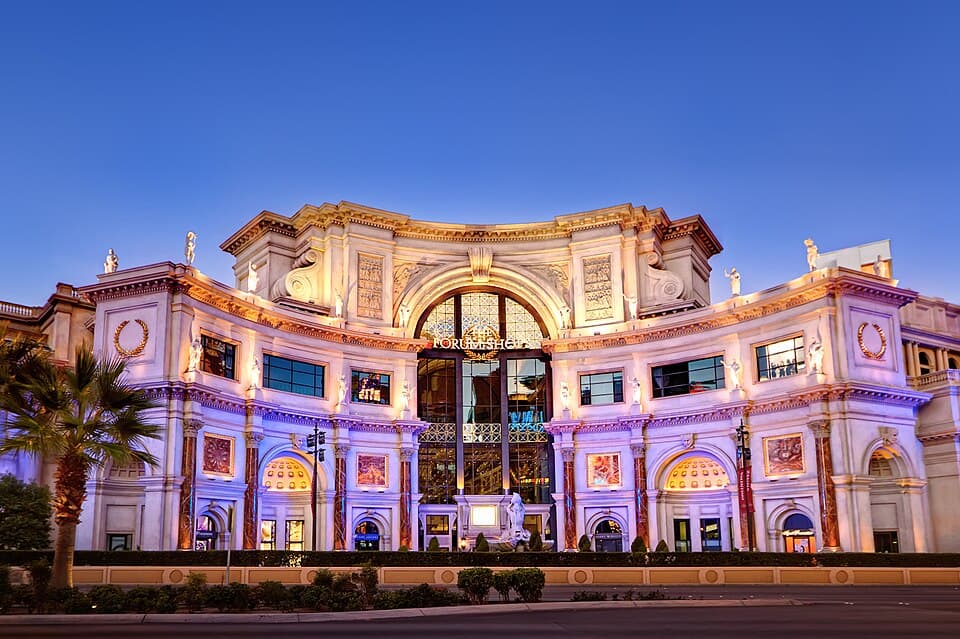
Nevada's top gambling regulator has cleared a critical hurdle in simultaneous take-private bids targeting MGM Resorts International and Caesars Entertainment, two of the largest casino operators on the Las Vegas Strip. The Nevada Gaming Commission voted unanimously on July 24, 2026, to approve shelf offerings for both companies, advancing transactions that would remove both operators from public markets for the first time in decades. The move follows months of regulatory scrutiny and positions the deals for the next round of approvals required across multiple jurisdictions.
- People Inc., led by Barry Diller, has tabled an $18 billion offer for MGM Resorts, equivalent to approximately $48.30 per share, according to reporting by Hotel Dive and CDC Gaming.
- Fertitta Entertainment, owned by Tilman Fertitta, is separately acquiring Caesars Entertainment, with the Nevada Gaming Commission confirming an expected closing date of spring 2027.
- MGM Resorts operates 10 properties on the Las Vegas Strip; Caesars Entertainment operates 8, making any change of ownership among the most consequential in the history of the US gaming market.
Updated July 2026.
What Did Nevada Regulators Actually Approve on July 24?
The Nevada Gaming Commission granted both MGM Resorts and Caesars Entertainment approval for shelf offerings, a securities mechanism that authorizes companies to register new securities with the US Securities and Exchange Commission in advance and sell them in tranches over up to three years without requiring a separate regulatory process each time. The commission simultaneously licensed two Fertitta Entertainment board members: Richard Liem, the group's CFO, and Steven Scheinthal. Chandler Pohl, MGM Resorts vice president and legal counsel, confirmed to commissioners that further details on the MGM deal would be disclosed at the company's second-quarter earnings call on July 30, 2026. Both votes were unanimous, signaling Nevada regulators have no current objection to the anticipated ownership structures.
Who Is Buying MGM Resorts and at What Price?
People Inc., a media and entertainment acquisition company led by veteran executive Barry Diller, has proposed acquiring MGM Resorts at approximately $48.30 per share, valuing the deal at roughly $18 billion in total, according to reporting by Hotel Dive. As of the market open on July 27, 2026, MGM's share price was trading at approximately $45.75, slightly below the offer figure, a gap that typically reflects market uncertainty around deal completion. MGM China, a separately listed entity on the Hong Kong Stock Exchange that operates casino resorts in Macao, saw its shares rise 4% on July 27, reflecting broader investor confidence in the MGM asset portfolio. MGM Resorts first listed on a US exchange in the 1970s; going private would mark a fundamental corporate transformation.
Who Is Buying Caesars Entertainment?
Fertitta Entertainment, the privately held hospitality and gaming group owned by billionaire Tilman Fertitta, is the acquirer in the Caesars transaction. Fertitta is widely known as the owner of the Golden Nugget casino chain and the Houston Rockets NBA franchise, and has a long track record operating hospitality businesses outside public market structures. Nevada regulators have already approved key suitability findings for Fertitta board members, and the overall transaction is expected to close in spring 2027, subject to a lengthy list of remaining conditions. Caesars Entertainment operates 8 Las Vegas Strip properties as well as a substantial portfolio of regional US casinos and online gaming brands including Caesars Sportsbook.
What Is a Shelf Offering and Why Does It Matter Here?
A shelf offering (sometimes called a shelf registration) allows a publicly listed company to file with the SEC for securities it does not need to sell immediately, giving it the option to issue shares, bonds, or other instruments over up to three years as market conditions allow. In the context of these take-private deals, Nevada's approval of the shelf offerings gives both companies the financial flexibility to raise capital during the transition without triggering a separate, time-consuming regulatory review each time. More broadly, it signals that Nevada's primary regulator is comfortable with the anticipated capital structures of the incoming owners, a significant indicator for other jurisdictions that will review the deals in the months ahead.
What Additional Regulatory Hurdles Remain Before the Deals Close?
Both transactions face complex, multi-jurisdictional approval processes. For Caesars Entertainment alone, the Nevada Gaming Commission confirmed that outstanding conditions include: a shareholder vote, a Hart-Scott-Rodino antitrust review by the Federal Trade Commission and Department of Justice, and suitability approvals from approximately 25 individual gaming jurisdictions where Caesars holds operating licenses. MGM Resorts faces a similarly extensive approval matrix given its presence in multiple US states, Macao (through MGM China), and Japan, where its Osaka integrated resort is slated to open in 2030. Neither company has confirmed a firm outside closing date, making the spring 2027 Caesars target a best-case estimate at this stage.
What Will MGM's Q2 Earnings Call Reveal?
MGM Resorts is scheduled to report its second-quarter 2026 financial results on July 30, 2026. Chandler Pohl told Nevada regulators that the earnings call is expected to surface additional details about the People Inc. acquisition, including potential board recommendations and updated deal terms. Markets are likely to scrutinize any language on deal certainty, financing structure, and whether the $48.30 per share offer reflects MGM's full asset value, given the operator's international casino, hotel, and entertainment holdings.
How Does Going Private Affect Las Vegas Strip Operations?
Removing both MGM and Caesars from public markets would substantially change how the two companies are managed and capitalized. Private companies are not subject to quarterly reporting requirements, activist shareholders, or short-term earnings pressure from public investors. Historically, private ownership in gaming has allowed operators to pursue longer capital cycles for property renovations, technology upgrades, and expansion. For the Strip's roughly 40 million annual visitors, day-to-day casino operations are unlikely to change immediately, but longer-term questions arise around labor contract negotiations, property reinvestment, and whether private ownership accelerates or slows further consolidation.
What Does This Mean for the Broader Las Vegas Gaming Market?
The twin take-private bids arrive at a moment of significant structural change on the Strip. Las Vegas Sands exited the US market entirely in December 2023 via the sale of $6.4 billion in Strip assets, choosing to concentrate capital in its Macao and Singapore properties. The Strip has simultaneously faced growing competition from tribal gaming, the nationwide spread of legal sports betting, and tighter consumer spending in certain segments. Private ownership structures may give new owners the flexibility to reposition properties, renegotiate supplier contracts, and invest in entertainment amenities without the transparency burden that comes with being listed on a US stock exchange.
Who Is Barry Diller and What Is People Inc.?
Barry Diller is one of the most prominent executives in American media and entertainment, having built and led companies including Paramount Pictures, Fox Inc., QVC, and IAC/InterActiveCorp, which he grew into a portfolio of digital businesses including Expedia and Angi. People Inc. is the acquisition vehicle behind the MGM Resorts bid, though Diller has not publicly detailed the strategic rationale for combining a gaming and hospitality giant with a media-focused investment strategy. MGM Resorts' entertainment heritage, including the MGM brand's historic film and television assets (separately held through MGM Holdings), has long attracted media-industry interest, suggesting potential synergy in merging casino hospitality with content and entertainment IP.
Comparison: MGM vs. Caesars Take-Private Deals at a Glance
| Detail | MGM Resorts International | Caesars Entertainment Inc. |
|---|---|---|
| Acquirer | People Inc. (Barry Diller) | Fertitta Entertainment (Tilman Fertitta) |
| Deal value (reported) | Approx. $18 billion ($48.30/share) | Not publicly disclosed |
| Strip properties | 10 | 8 |
| Nevada approval status | Shelf offering approved (July 24, 2026) | Shelf offering and board members approved (July 24, 2026) |
| Expected close | TBD (Q2 earnings call July 30) | Spring 2027 |
| Remaining approvals | Multiple US states, Macao, Japan | Shareholders, FTC/DOJ, approx. 25 jurisdictions |
What Happens Next?
The immediate next milestone is MGM Resorts' Q2 2026 earnings call on July 30, where management is expected to address the People Inc. bid publicly for the first time in a structured investor forum. For Caesars, the Hart-Scott-Rodino filing with US antitrust authorities will be a key early indicator of federal appetite for the Fertitta acquisition. Both deals will need to clear gaming regulators in states including New Jersey, Maryland, Michigan, and others over the coming months. Industry observers will also watch whether other major Strip operators respond to the take-private wave with their own restructuring or consolidation moves.
Frequently Asked Questions
Did Nevada approve the MGM and Caesars take-private deals?
Nevada approved shelf offerings and key personnel licenses for both companies on July 24, 2026, a significant step, but the full transactions still require shareholder votes, federal antitrust review, and approvals in approximately 25 gaming jurisdictions before either deal closes.
How much is Barry Diller's People Inc. paying for MGM Resorts?
People Inc. has proposed acquiring MGM Resorts for approximately $18 billion, or $48.30 per share, according to reporting by Hotel Dive and CDC Gaming. MGM's board has not yet made a formal recommendation.
When will the Caesars Entertainment deal close?
The Nevada Gaming Commission confirmed an expected closing timeline of spring 2027 for Caesars' acquisition by Fertitta Entertainment, subject to shareholder approval, antitrust review, and approvals in roughly 25 gaming jurisdictions.
Who is Tilman Fertitta?
Tilman Fertitta is the billionaire owner of Fertitta Entertainment, the Golden Nugget casino chain, and the Houston Rockets NBA franchise. He has extensive experience operating gaming and hospitality businesses outside the public markets.
What does going private mean for casino employees and customers?
Day-to-day operations are unlikely to change immediately following a go-private transaction. Longer term, private ownership may affect how operators invest in properties, structure labor agreements, and plan expansions, without the quarterly earnings transparency that public company status requires.
Will MGM China be affected by the People Inc. deal?
MGM China is listed separately on the Hong Kong Stock Exchange and is not part of the People Inc. acquisition of MGM Resorts International. MGM China's shares rose 4% on July 27, 2026, suggesting the market views the broader MGM situation positively for the Macao-listed entity.
More from iGaming Daily
SEGG Media Announces Intent to Acquire UK Casino with Online and Land-Based Licenses
Lottomatica H1 2026: Online Revenue Rises 13% as EBITDA Margin Hits 57.9% and Full-Year Guidance Backed
Caesars Q2 2026: Las Vegas Revenue Falls 3.5% as Fertitta Deal Moves Toward Spring 2027 Close