Russia to Fine Casinos Up to $6,500 for Accepting Bets From Self-Excluded Players
The State Duma passed fines legislation on July 8, 2026 targeting operators who accept wagers from individuals on Russia's new national self-prohibition registry, due to take effect September 1, 2026, as part of a wider response to problem gambling affecting an estimated 12% of Russian adults.
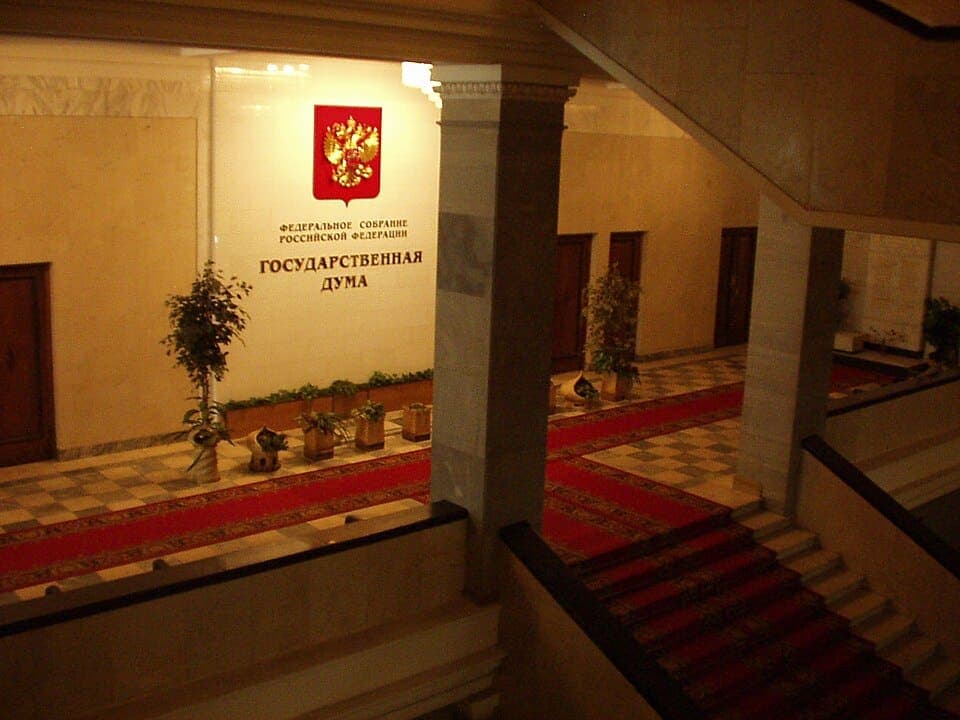
Russia's State Duma passed legislation on July 8, 2026 introducing fines on casinos, sportsbooks and betting shops that accept bets from individuals who have registered on the country's new national "self-prohibition" gambling registry. The fines bill, passed in a plenary session of the lower parliamentary house, proposes penalties of up to approximately 600,000 rubles ($6,500) on operators found guilty of the administrative offense. The national self-prohibition registry itself is set to launch September 1, 2026, pending final approval from the Federation Council and President Vladimir Putin.
How Russia's National Self-Prohibition System Works
The self-prohibition registry will operate through Gosuslugi, Russia's Unified Portal of State and Municipal Services. Any citizen will be able to apply to have their name added to the centralized register, administered by Russia's unified gambling regulator. Once registered, the individual is legally barred from placing bets with any licensed bookmaker, entering a licensed casino or slot machine parlor, or receiving gambling advertising or promotional materials for a minimum period of 12 months. The 12-month exclusion period cannot be withdrawn once submitted. Operators are required to check the register before accepting any wager or admitting any patron.
Licensed gambling operators will be prohibited from accepting transactions from self-excluded individuals, from exchanging money for gaming tokens with them, and from sending them any form of marketing communication. Gambling venues are also required to display information about the Gosuslugi self-exclusion program on their premises and include links to the service on their official websites.
The Fine Structure
The July 8 legislation adds financial penalties to the self-prohibition framework. Courts will have the power to impose fines of up to approximately $6,500 on casino, slot machine and bookmaker operators found to have accepted bets from self-excluded individuals. Separate provisions in the bill target operators who fail to submit information about blocked individuals to the unified gambling regulator, creating a dual compliance obligation covering both the prevention of play and the reporting of exclusions. Courts will also have the power to fine individuals between $400 and $660 in cases where promotional emails or letters are sent to anyone on the registry.
Context: Russia's Gambling Framework and the Problem Gambling Scale
Russia banned most forms of casino gambling outside designated zones in 2009 under Federal Law 244-FZ. Casino operations are currently permitted in five designated gambling zones: Altai (Siberian Coin), Kaliningrad (Yantarnaya), Sochi (Krasnaya Polyana), Primorye near Vladivostok, and Crimea. Online casinos remain prohibited, with only licensed online sports betting permitted nationwide. Licensed bookmakers process online wagers through the Center for Interactive Bets.
Lawmakers supporting the self-prohibition bill cited estimates suggesting that up to 12% of Russian adults display signs of problem betting, and that many addicts spend approximately 21% of their monthly income at betting shops, slot parlors, land-based casinos and illegal online platforms. Maxim Topilin, chairman of the State Duma Committee on Economic Policy, said the legislation "will help reduce the risk of addiction by empowering people to take control of their gambling habits."
"We are working to fight the shadow gambling sector, strengthen trust in state-regulated platforms, and improve the overall level of security in the digital space." - Maxim Topilin, Chairman, State Duma Committee on Economic Policy
What Happens Next
The fines bill requires approval from the Federation Council (Russia's upper house) and the office of President Vladimir Putin before becoming law. If neither chamber vetoes it, the legislation is scheduled to take effect on September 1, 2026, the same date as the self-prohibition registry launch. Separately, Finance Minister Anton Siluanov proposed at the start of 2026 that Russia legalize online casino gambling to generate estimated revenues of 100 billion rubles (approximately £952 million) annually at a 30% tax rate. The proposal has not advanced publicly since it was made.
Frequently Asked Questions
When does Russia's gambling self-exclusion registry launch?
Russia's national self-prohibition gambling registry is scheduled to launch September 1, 2026, pending final approval from the Federation Council and President Putin.
How much can Russian casinos be fined for serving self-excluded players?
The legislation proposes fines of up to approximately 600,000 rubles, equivalent to around $6,500, on operators found to have accepted bets from individuals registered on the national self-prohibition list.
How do Russians register for self-exclusion?
Citizens can register through Gosuslugi, Russia's Unified Portal of State and Municipal Services, either online or by visiting a Multifunctional Centre. The minimum exclusion period is 12 months and cannot be revoked once submitted.
Is online gambling legal in Russia?
Online casino gambling is prohibited in Russia. Licensed online sports betting is permitted nationwide through registered bookmakers. Casino operations are restricted to five designated gambling zones.
More from iGaming Daily
Illinois Adds Gambling Disorder to State Addiction Law, Unlocking New Treatment Options
ACT Gambling Harm Incidents Hit Record 72,647 in 2025/26, Up 53% Year on Year
Public Health Wales Launches £1.4m Two-Year Grant Fund to De-Normalise Gambling Harms